
















From PGIM – View From The Desk
TARIFF RESET
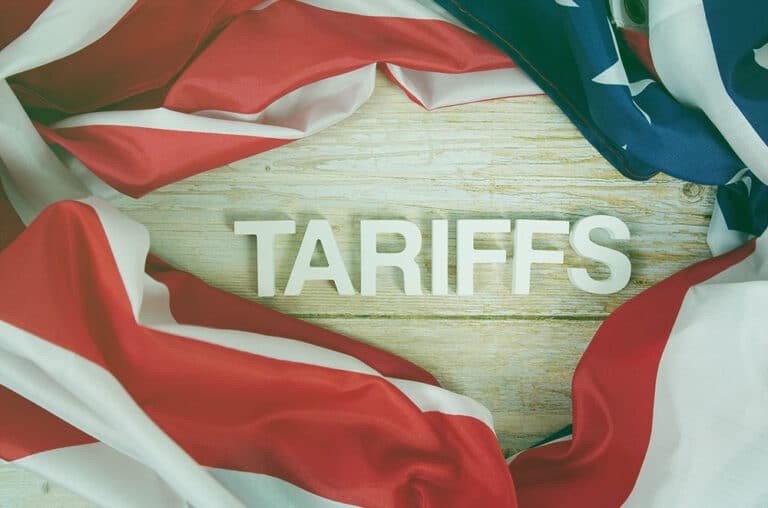
The U.S. tariff regime is set for its next phase after the Supreme Court overturned the IEEPA-based levies, affecting $1.5T in U.S. imports and 70% of its tariff revenue. The Administration’s replacement of about 80% of the overturned tariffs with a 15% global tariff under Section 122 may be a temporary 150 day stopgap—coincidentally running up to November’s mid-term elections—before they are replaced with those under Section 232 or 301.
The changing tariff format may have a marginal economic impact with the potential for a 10-20 bps reduction in inflation, which could provide the Fed with more leeway to ease policy, and a similar boost to growth.
Following the tariff substitution, U.S. federal revenues will likely decline by $30B annually, but fiscal-related pressure on the back of the curve could be offset by the potential reduction in inflation.
However, the most prolonged economic effect will be tariff-related uncertainty given that the situation will likely unfold over the coming quarters and years.
DISTRIBUTIONAL IMPACT
Despite the marginal U.S. economic effects, the distributional effects may be more significant. For example, the “winners” from the overturned tariffs could include Brazil, China, India, Canada, while the UK, Japan, Korea, and Singapore could experience marginal tariff increases.
Yet, that is not the endgame for the U.S. trading partners as the tariffs replacing those under Section 122 should have more lasting effects.
RATES OUTLOOK
From a market perspective, while rates have rallied recently as speculation about tariffs and Iran has circulated, interest rates and credit spread remain in the same range that was established in 2022.
Given the relatively stable economic backdrop and still-significant cash on the sidelines, we see the potential for stable to lower rates and potentially firmer risk appetite once the current bout of market anxiety subsides.
After last week’s SCOTUS decision, Fed funds traded around 3.64% with about 50 bps in rate cuts priced in through year end.
Overall, DM yield curves flattened last week.