

















Thomas Poullaouec, Head of Global Investment Solutions, International and Portfolio Manager at T. Rowe Price, and his team have published their latest insights on global asset allocation and the investment environment for Australia. September 2026.
The Fed lifts off as AI borrowing builds
Easing Off The Accelerator
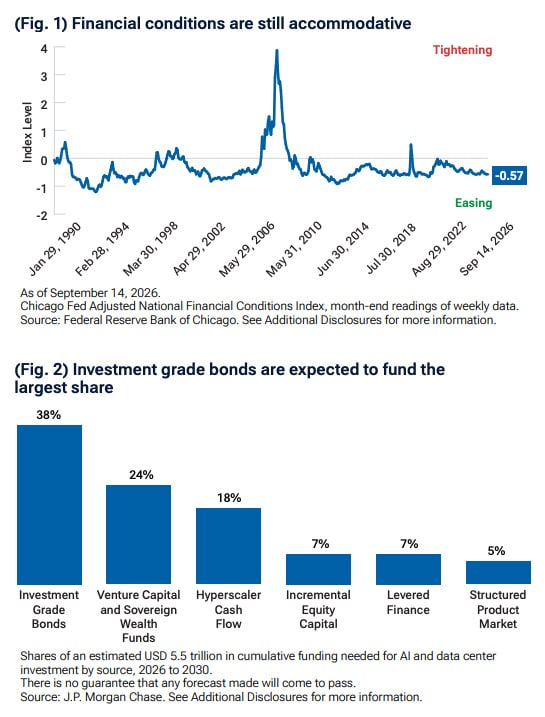
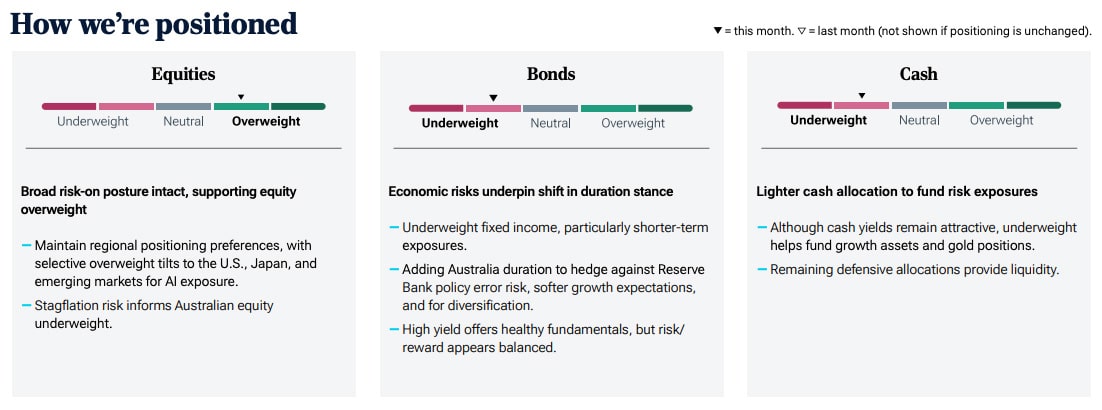
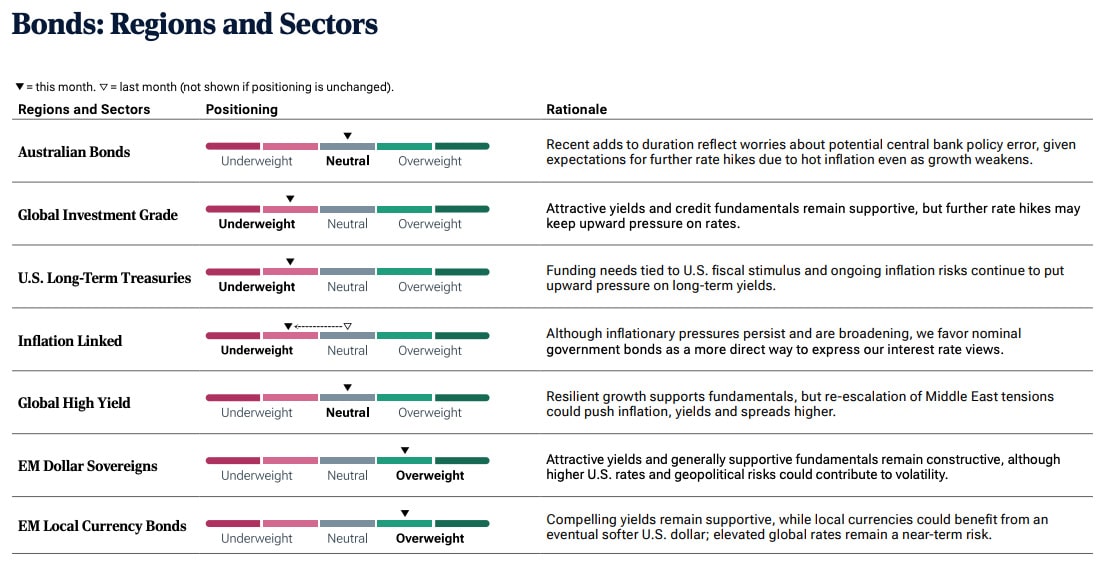
The first rate hike from the Federal Reserve (Fed) is best seen as a partial reversal of last year’s insurance cuts. Capital spending and demand remain firm, suggesting growth should remain resilient—leveling off rather than rolling over. Financial conditions remain accommodative, meaning businesses and households can still access capital. In other words, the Fed is easing off the accelerator, rather than slamming on the brakes. Inflation will decide how much further it needs to go, and policymakers appear to be placing more weight on how broad and persistent it is. If price pressures fail to cool while growth stays strong, further hikes become more likely, reinforcing the case for short duration.
A few hikes alongside resilient growth could be absorbed relatively well. A longer cycle driven by stubborn inflation would challenge both duration and risk assets.
Also read: Look What You Made Me Downgrade – State Debt
Financing The Build-Out
The AI investment cycle is entering a more capital-intensive phase, and hyperscaler balance sheets are no longer the whole story. Corporate bonds, data center financing, and chip-backed structures are forming a distinct AI credit ecosystem, with AI-related hyperscaler and infrastructure bonds rising from about 5.4% of the U.S. investment grade corporate benchmark at the end of 2025 to now 8.3%.1 Enterprise adoption is moving toward scaled production, even as regulation and safety draw more scrutiny. Continued investment and adoption support our overweight to U.S. growth stocks. While the risk of higher yields remains the main driver of our underweight, heavy AI-related issuance adds a technical headwind for investment-grade bonds.
The same AI cycle can support corporate earnings while requiring enough new capital to create a tougher technical backdrop for investment-grade bonds.
ASSET CLASS POSITIONING
1 Source: T. Rowe Price analysis, as of September 9, 2026.
Note: T. Rowe Price’s Australia Investment Committee comprises local and global investment professionals who apply views from the firm’s Global Asset Allocation Committee to make informed asset allocation views from an Australian investor perspective. The Committee is led by Thomas Poullaouec, Head of Multi-Asset Solutions APAC, based in Singapore.