










In a world shaped by inflation, higher interest rates and geopolitical instability, investors are increasingly looking beyond assets driven by financial market sentiment. Sheep production offers exposure to a biological system where value is created through physical output, disciplined execution and essential end demand.
By Luke Ferguson, CEO, Ferguson Hyams Asset Management
A few years ago, much of the discussion around alternative assets was centred on access.
For many advisers and wholesale investors, the challenge was not necessarily a lack of opportunities, but the difficulty of reaching them. Approved product lists, platform constraints and conventional portfolio construction meant that many forms of non-traditional exposure remained outside the field of view.
Today, that conversation has moved on.
In a market environment shaped by persistent inflation, higher interest rates and geopolitical instability, investors are asking a different question: not simply how to access alternatives, but what kinds of alternatives are likely to matter in the years ahead.
Increasingly, that is directing attention towards assets that sit outside financial markets altogether.
Traditional asset classes remain highly sensitive to liquidity conditions, central bank policy and investor sentiment. Equities are repriced by earnings expectations and capital flows. Fixed income remains tied to duration, credit spreads and monetary settings. Even many alternative strategies ultimately derive their performance from financial market dislocation or pricing inefficiency.
Biological production systems operate differently.
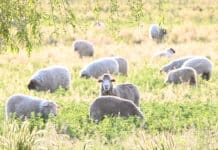
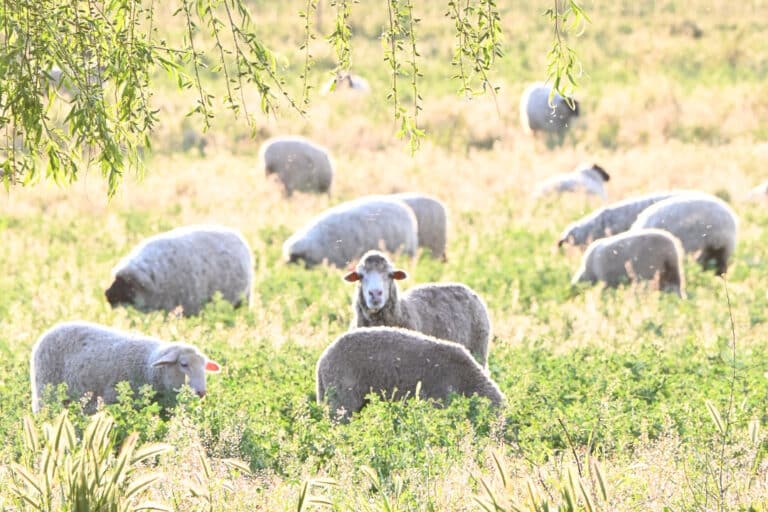
In sheep production, value is created through a physical and measurable process. Animals are acquired, managed, fed and grown over a defined cycle, with output linked to essential end demand. The underlying driver is not multiple expansion or market re-rating, but the conversion of pasture, feed, water and management into protein.
Value is not merely repriced. It is produced.
That distinction is becoming increasingly relevant as the global investment environment becomes more fragmented. Over the past decade, population growth, urbanisation and rising middle-class consumption across parts of Asia and the Middle East have continued to support long-term demand for animal protein. At the same time, reliable supply has become harder to take for granted.
Climate volatility, rising input costs, constrained supply chains and geopolitical disruption are all placing pressure on agricultural systems globally. The result is a widening premium on food production that is scalable, traceable and supported by dependable export infrastructure.
This is where Australia’s position matters.
Australia combines strong biosecurity standards, established export relationships and access to large-scale grazing and irrigated country. In a less stable world, those advantages are no longer incidental. They are strategic. For investors looking beyond financial assets, Australian sheep production offers exposure to one of the most basic and enduring forms of demand: food security.
Importantly, this is not simply a commodity view.
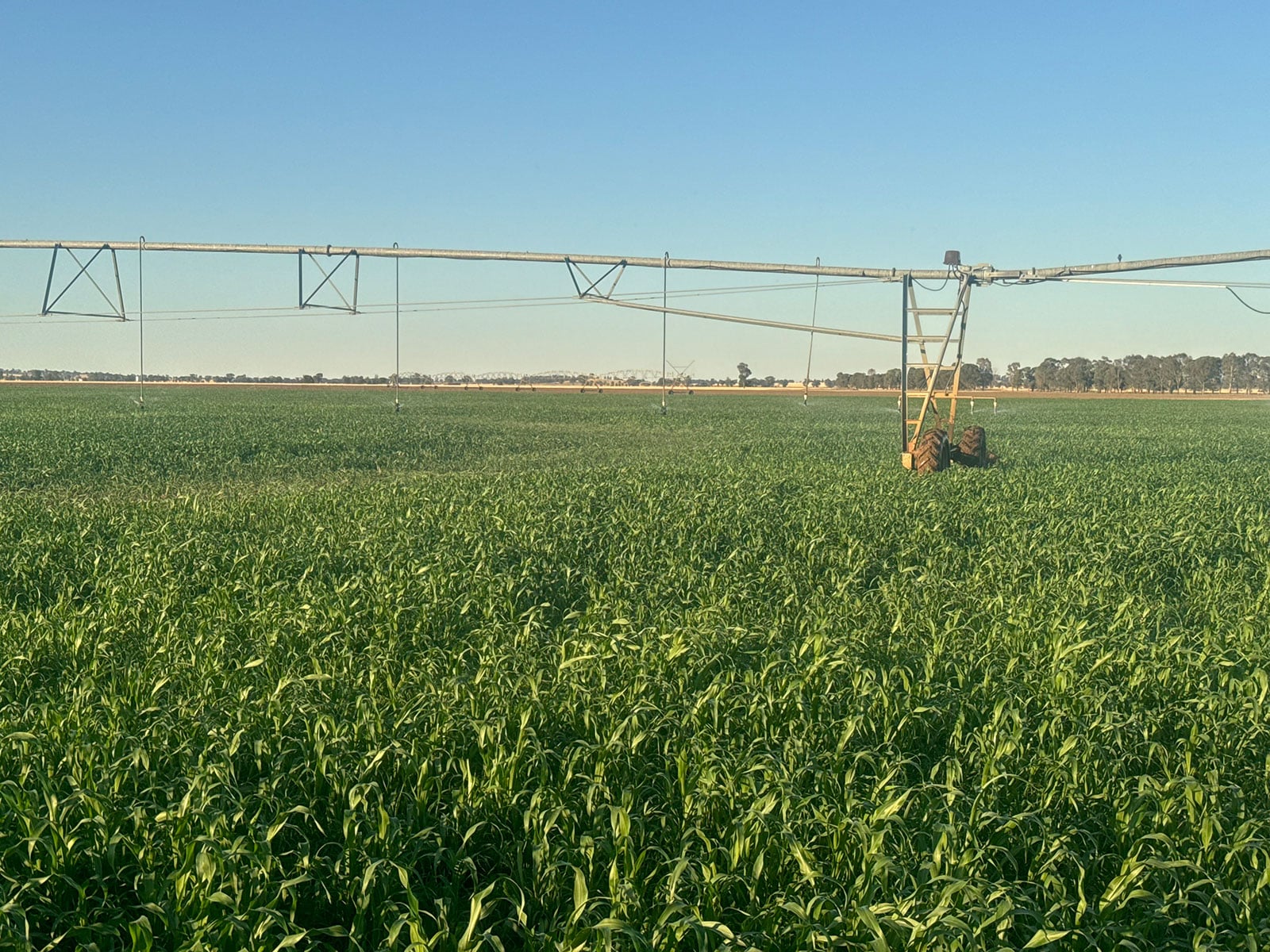
When managed properly, sheep production can be structured as a repeatable operating system with a high degree of oversight. Livestock are brought into a controlled production cycle, supported by land, water and feed inputs, and directed towards established processing and end-market pathways. Procurement, animal performance, pasture conditions and throughput can all be monitored closely, allowing operating decisions to be adjusted as conditions change.
That operating discipline is central to the investment case.
In financial markets, risk is often managed through diversification, hedging or attempts to anticipate price movements. In livestock systems, risk management is more practical and immediate. It sits in stocking decisions, pasture management, water security, animal health, production timing and execution. Insurance also forms part of that framework, helping protect the system against key operational disruptions and production-related events. The focus is not on trying to predict short-term market noise, but on managing the biological system itself with precision, resilience and consistency.
That is particularly relevant at a time when global uncertainty appears more structural than cyclical.
Conflict across the Middle East has added to volatility in energy, freight and trade corridors. Higher interest rates continue to pressure capital-intensive sectors. Inflation has proved more persistent than many expected. Against that backdrop, investors are increasingly looking for exposures whose underlying economics are not solely dependent on financial conditions.
Food production stands apart because demand is non-discretionary.
People may defer consumption elsewhere, but protein demand does not disappear. If anything, periods of disruption reinforce the value of reliable domestic production systems with clear supply chains and essential end markets.
For us, that has shaped a broader shift in strategy.
Over time, the focus has moved from facilitating access to alternative investments towards building and operating an integrated livestock platform centred on sheep production. The emphasis is on consistency of throughput, control of inputs and disciplined execution across the production cycle. Land, water, pasture and livestock are not viewed in isolation, but as components of a single operating system.
This reflects a broader change in how diversification is being understood.
In the years ahead, diversification may matter less as a simple allocation between equities, bonds and credit, and more as exposure to assets driven by entirely different forces. Biological systems, particularly those with defined production cycles, measurable output and embedded risk controls, sit firmly in that category.
In an environment where uncertainty is increasingly structural, the distinction between financial value and physical value creation is becoming harder to ignore.
 Ferguson Hyams Investment Management Pty Ltd ABN 50 611 059 940 | AFSL 490023. This information is for wholesale investors only. It is general in nature and does not take into account your objectives, financial situation or needs. You should consider the Information Memorandum before making any investment decision. Past performance is not a reliable indicator of future performance. Complaints may be made through our internal dispute resolution process or to AFCA (afca.org.au).