











The US 10-year Treasury yield held above 5 per cent on Monday as Federal Reserve Chair Kevin Warsh warned that the artificial intelligence boom could disappoint, while markets continued to price a December rate rise and a further two increases in 2027.
The 10-year Treasury yield was little changed at 5.14 per cent, Bloomberg reported in a markets wrap carried by Swissinfo, after a sharp sell-off in US government debt last week. HNGN reported the 10-year at about 5.13 per cent in afternoon New York trade as US equities fell, with the S&P 500 down about 2 per cent and the Nasdaq Composite about 2.5 per cent lower amid a slide in AI-related stocks.
Warsh sets out AI scenarios
Opening a one-day conference on AI and productivity at the San Francisco branch of the Fed, Warsh said the technology “could supercharge idea generation” and might allow growth to be sustained “substantially higher than the long-run average”, the Associated Press reported.
He also gave more weight to downside risks than in previous speeches, according to the AP, warning that if returns on AI infrastructure spending failed to materialise, “expected returns could turn down and equity valuations could fall, leading to an economic slowdown.” Fed staff have begun modelling scenarios for how AI’s effects might unfold, HNGN reported, describing them as illustrative rather than forecasts.
Warsh did not comment on the outlook for interest rates and did not mention inflation, the AP said, even though several Fed policymakers argued last week that data centre construction was adding to price pressures through demand for chips, electricity and copper.
Hike expectations firmly in place
Money markets fully price a quarter-point increase at the Fed’s 8–9 December meeting and at least two more in 2027, according to Bloomberg. CME FedWatch data cited by HNGN on Monday morning put the probability of a quarter-point move at about 91 per cent, with a roughly 9 per cent chance of a half-point increase.
Those expectations firmed after October consumer prices rose 0.4 per cent, against forecasts of 0.3 per cent, and core prices rose 0.3 per cent, above the 0.2 per cent expected, HNGN reported. The federal funds target range stands at 3.75–4.00 per cent.
Fed Vice Chair Philip Jefferson added a longer-term dimension on Friday. If AI raises productivity growth permanently, he said, firms’ demand for funding could rise, “raising the level of interest rates,” according to the AP. That argument suggests higher neutral rates could persist even if inflation eases, a consideration for investors assessing long-dated bonds.
Some strategists see limited scope for official commentary alone to drive yields materially higher from here. “The hurdle for a material further selloff from Fed rhetoric alone is reasonably high,” Evelyne Gomez-Liechti of Mizuho said, according to Bloomberg, adding that US retail sales and the minutes of the Fed’s last meeting would matter more.
What it means for Australian bonds
The Treasury sell-off has pulled Australian yields into line with US levels. The ABC’s market snapshot early on Tuesday showed both the Australian and US 10-year government bond yields at 5.12 per cent, after both traded at about 5.14–5.15 per cent through Monday’s local session.
The two markets face different domestic drivers. Markets have nearly priced out a further Reserve Bank of Australia increase in December, NAB head of FX strategy Ray Attrill said on Monday, according to the ABC, while the Fed is still expected to tighten. With Australian long-end yields closely tracking Treasuries, offshore moves remain a key influence on local duration even as domestic rate expectations ease.
Investors now turn to US retail sales and Nvidia’s quarterly earnings, both due on Tuesday US time, and the Fed minutes later in the week. In Australia, the RBA’s November minutes and the September-quarter Wage Price Index are scheduled for release this week.
Sources
- Associated Press via CP24 – US Fed chairman Warsh grapples with AI’s potential economic impact, steers clear of its inflation risk, 16 November 2026
- Bloomberg via Swissinfo – Stocks slide as AI trade enters high-stakes week: markets wrap, 16 November 2026
- HNGN – Stocks slide as 10-year yield stays above 5% before Nvidia, 16 November 2026
- ABC News – ASX falls as miners drag, Coles investigates cybersecurity incident: as it happened, 16 November 2026
- ABC News – Markets live updates, Tuesday 17 November, 17 November 2026
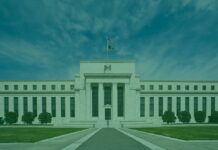
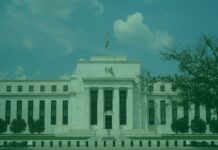
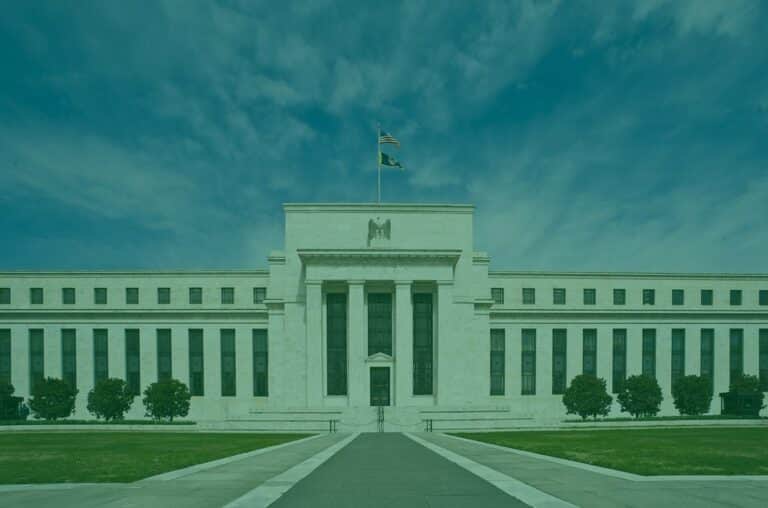
Image: Federal Reserve, Wikimedia Commons, Public domain; cropped and colour overlay added by FINA.